Best Margin Trading App For Efficient Capital Use In Markets
Margin trading allows investors to take positions by using a combination of their own funds and funds or securities made available through a margin facility. A Margin Trading App can provide digital access to eligible margin-based transactions, account information, and market orders through a mobile platform.
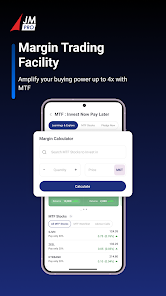
A Stock Trading App may also provide features such as order placement, portfolio tracking, market information, and transaction records. Before using margin facilities, investors should understand the associated costs, collateral requirements, risks, and conditions. Margin trading can increase the size of a position, but it can also increase potential losses.
What Is Margin Trading?
Margin trading involves using borrowed funds or eligible collateral to take a position larger than what could be purchased using only the investor's available cash, subject to applicable rules and provider conditions.
For example, an investor may have a certain amount of available capital and use an eligible margin facility to take a larger position. The investor remains responsible for meeting applicable margin requirements and associated costs.
Margin trading differs from regular cash-based investing because the use of leverage introduces additional financial obligations and risks.
How Margin Facilities Work
A margin facility generally requires the investor to maintain a specified amount of collateral or margin. The provider determines the eligible securities, funding terms, margin requirements, and other conditions.
If the value of the position or collateral changes, the required margin may also change. Investors therefore need to monitor their positions and maintain sufficient eligible collateral.
Role of a Margin Trading App
A Margin Trading App can provide a digital interface for accessing margin-related services. Depending on the platform, investors may be able to view available margin, place eligible orders, monitor positions, and review relevant charges.
The exact services differ between providers, so investors should read the applicable terms before using margin facilities.
Viewing Available Margin
A margin-enabled application may display the amount of margin available for eligible transactions. This information can help investors understand their current capacity before placing an order.
However, available margin can change as positions, collateral values, and market prices change.
Monitoring Open Positions
Margin positions require regular monitoring because market movements can affect both the position value and the required margin.
Investors should review their open positions and understand the conditions under which additional funds or collateral may be required.
Margin Trading Compared With Regular Trading
A standard Stock Trading App can allow investors to purchase securities using available funds. With margin trading, the investor may have access to additional purchasing capacity under specific terms.
The main difference is the financial exposure created by the margin facility.
Suppose an investor purchases a security using only available cash. A decline in its price results in a loss based on the amount invested.
With a margin position, the investor may have a larger market exposure. As a result, a similar percentage decline can produce a larger monetary loss relative to the investor's own capital.
Understanding Leverage
Leverage can increase both gains and losses. Investors should not consider additional purchasing capacity as additional income or guaranteed returns.
Before using margin, investors should understand how much capital they are committing, how much is being financed, and what costs apply to the facility.
Features to Consider in a Margin Trading App
Investors should review several features before selecting a platform that provides margin services.
Clear Margin Information
The application should make relevant margin information understandable. Investors may need to see available margin, used margin, collateral, and open positions.
Clear information can help users monitor their obligations more effectively.
Order Management
Order placement should be straightforward, with relevant information available before an order is submitted.
Investors should understand whether a particular security or order type is eligible for margin-based trading.
Position Monitoring
The ability to review open positions and changes in their value is important when using leverage.
Frequent monitoring can help investors remain aware of changes that could affect their margin requirements.
Charges and Funding Costs
Margin facilities may involve interest, funding charges, brokerage, taxes, and other applicable costs. Investors should review the complete cost structure before using the facility.
A lower initial capital requirement does not necessarily mean a lower overall cost.
Choosing a Stock Trading App for Market Access
A Stock Trading App may offer more than margin facilities. Depending on the provider, it can include market data, order types, portfolio information, transaction statements, and other investment services.
When comparing platforms, investors should consider the overall functionality rather than focusing on a single feature.
Platform Usability
The application should make it easy to find account information, orders, positions, and transaction records.
A complicated interface can make it harder to monitor active positions, particularly when markets are moving quickly.
Security
Trading applications handle sensitive financial information. Investors should use secure authentication methods and protect their passwords, PINs, and one-time passwords.
Users should also avoid sharing account credentials with others.
Customer Support
Investors should understand how to contact the provider if they face account, order, or margin-related issues.
Accessible support channels can be useful when clarification is required about transactions or account conditions.
Risks of Margin Trading
Margin trading involves higher risk than using only available cash because leverage increases market exposure.
Increased Losses
If the market moves against a leveraged position, losses can accumulate more quickly relative to the investor's own capital.
Investors should understand the maximum amount they could potentially lose and avoid committing funds that are needed for essential expenses.
Margin Requirements
If the value of collateral or positions changes, the investor may need to provide additional funds or eligible securities to maintain the required margin.
Failure to meet applicable requirements can result in the provider taking action according to the terms of the margin facility.
Additional Costs
Funding or interest charges can reduce returns. If a position is held for an extended period, these costs may become significant.
Investors should calculate the potential costs before deciding how long to maintain a margin position.
Responsible Use of Margin Facilities
Investors considering a Margin Trading App should first understand the mechanics of leverage and margin requirements.
It is important to avoid treating the available margin amount as money that must be used. Margin is a financial facility with obligations attached to it.
Investors should consider position size, market volatility, holding period, funding costs, and their ability to provide additional funds if requirements change.
Using predefined risk limits can also help investors maintain control over the amount of capital exposed to a leveraged position.
Conclusion
A Margin Trading App can provide convenient access to margin facilities, position monitoring, order placement, and account information. However, margin trading involves leverage, which can increase both potential gains and losses. Investors should understand collateral requirements, funding costs, margin calls, and other applicable conditions before using such facilities.
A Stock Trading App can provide broader access to market orders, portfolio information, and investment services. When selecting a platform, investors should compare its margin terms, charges, security, usability, and support features. Careful position sizing and regular monitoring are important when using borrowed funds or other margin facilities.