How a Bill Payment App Can Help Organise Monthly Expenses
A bill payment app can make recurring payments easier to manage by bringing utilities, mobile bills, subscriptions and other eligible payments into one digital space. Users who also explore financial services such as an instant loan should keep borrowing decisions separate from routine payment management and first understand whether their monthly expenses can be handled through normal cash flow.
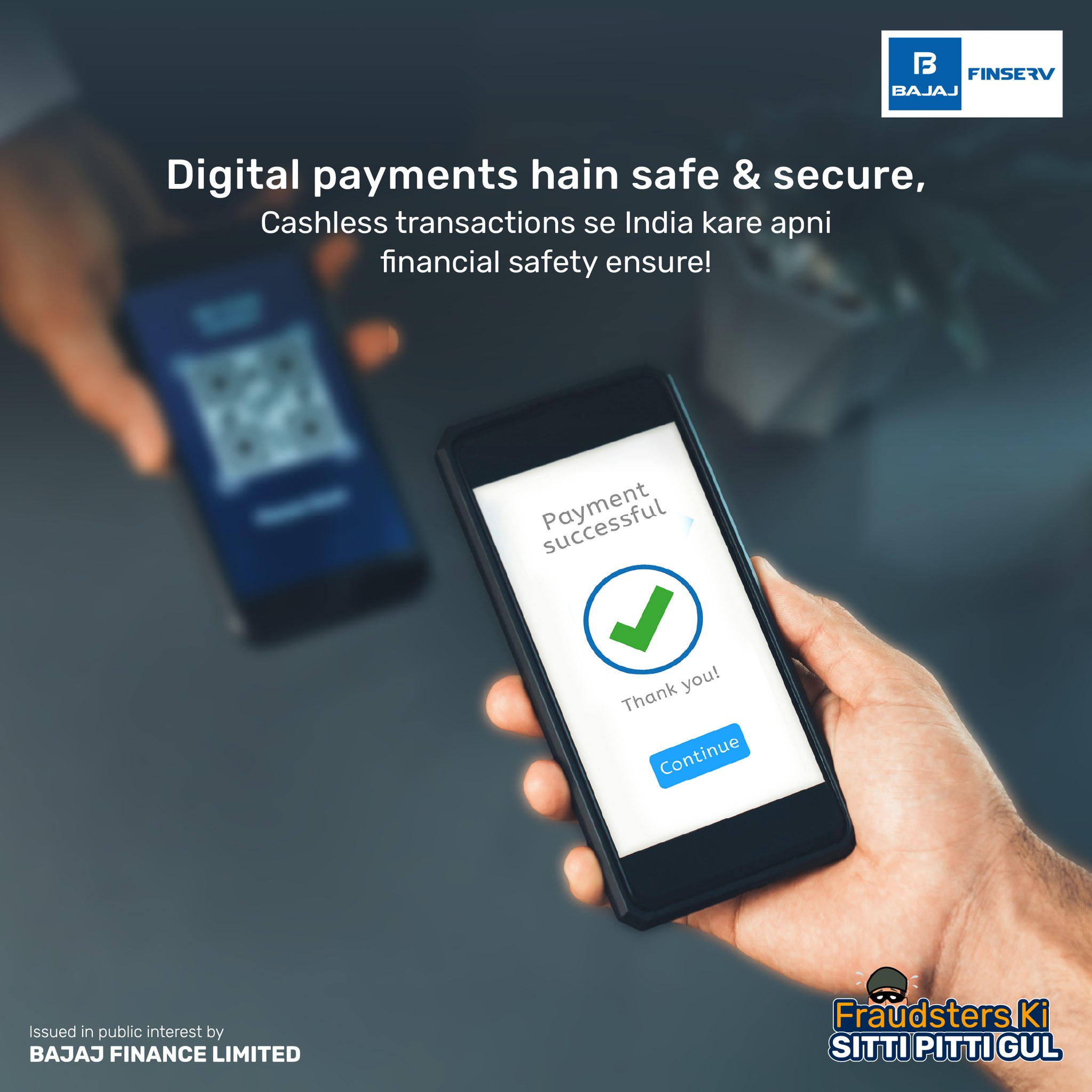
The real value of a bill payment app comes from organisation. Instead of remembering multiple due dates individually, users can track upcoming payments, review transaction history and build a more consistent monthly routine.
Make Due Dates Easier to Track
Different bills often follow different billing cycles. Electricity may be due in one week, broadband in another and a credit card payment later in the month.
A bill payment app can help bring these dates into one place. This makes it easier to see what is due next and how much money needs to remain available.
Good bill management is less about paying quickly and more about avoiding missed payments.
Build a Monthly Payment Calendar
One simple approach is to divide bills into weekly groups rather than trying to remember every individual due date.
For example:
- Week 1: rent and electricity
- Week 2: mobile and broadband
- Week 3: insurance or subscriptions
- Week 4: credit card and other recurring commitments
This structure can make monthly cash flow easier to plan.
Review the Amount Before Confirming
Digital payment makes transactions fast, but speed should not replace basic verification. Users should check the biller name, amount and billing period before authorising payment.
A sudden increase may be legitimate, but it is still worth reviewing. Electricity usage, mobile charges or subscription renewals can change from one month to another.
Checking the amount before paying can prevent mistakes and help identify unusual expenses early.
Keep Essential Bills at the Top
Not every recurring payment has the same priority. Utility bills, rent, insurance and debt repayments may have greater consequences if they are missed.
Optional entertainment or lifestyle subscriptions can generally be reviewed later if cash flow is tight. This creates a practical priority system rather than treating every recurring expense equally.
A clear order of importance can make bill management less stressful.
Use Payment History as a Budgeting Tool
A bill payment app can provide a digital record of past transactions. This history can be useful for more than checking whether a bill was paid.
Users can compare monthly expenses and identify patterns. If electricity costs are rising steadily or several subscriptions have accumulated, the payment history can reveal the change.
This turns payment data into useful budgeting information.
Avoid Duplicate Payments
Duplicate payments can happen when more than one family member manages household bills. One person may pay the electricity bill while another assumes it is still pending.
A shared monthly checklist can reduce this problem. Users can also check transaction history before making another payment.
Small coordination habits can prevent unnecessary payment errors.
Set Reminders Before the Final Day
A reminder that arrives on the exact due date may not provide enough flexibility if there is a technical issue. Setting alerts a few days earlier can be more practical.
This allows time to verify the amount, ensure sufficient funds and resolve any payment problem before late charges apply.
Early reminders are especially useful for bills linked to services that may be interrupted after non-payment.
Autopay Is Useful, but It Still Needs Monitoring
Autopay can simplify predictable recurring expenses, but users should not stop reviewing those bills completely.
The linked account should have enough balance, and users should still check whether the amount looks correct. Subscription prices, insurance premiums or service charges may change over time.
Automation works best when it reduces manual effort without removing oversight.
Track Subscriptions Separately
Subscriptions are easy to forget because many renew automatically. Over several months, users may continue paying for services they rarely use.
A quarterly review can help identify subscriptions that can be cancelled, downgraded or replaced with cheaper plans.
Reducing unused recurring payments can improve monthly cash flow without requiring major lifestyle changes.
Create a Buffer for Variable Bills
Some expenses remain predictable, while others fluctuate. Electricity, gas or mobile usage may be higher in certain months.
Instead of budgeting only the previous month’s amount, users can keep a small buffer for variable expenses. This reduces the risk that one unexpectedly high bill disrupts the rest of the monthly budget.
A buffer also reduces the temptation to rely on credit for routine expenses.
Do Not Depend on Borrowing for Regular Bills
Occasional financial pressure can happen, but regularly borrowing to pay routine monthly bills may indicate a broader cash-flow problem.
If household expenses repeatedly exceed income, users may benefit from reviewing spending patterns, subscriptions and other commitments before taking on new debt.
Borrowing creates future repayment obligations. It should not become a permanent solution for ordinary monthly expenses.
Check Transaction Status After Payment
A payment confirmation should be reviewed after every transaction. Occasionally, a transaction may remain pending or fail because of network or banking issues.
Users should avoid paying the same bill again immediately unless they confirm that the first transaction did not go through.
Keeping the receipt or reference number can also help if the payment needs to be traced later.
Protect Payment Credentials
Financial apps contain sensitive account information, so security should remain part of routine payment management.
Users should never share OTPs, PINs or passwords. Suspicious links claiming that a bill is overdue or an account will be blocked should be verified independently through the official app or provider.
Using trusted channels reduces the risk of payment-related fraud.
Separate Bill Money From Discretionary Spending
One useful budgeting habit is to reserve bill money as soon as income is received. This prevents essential payment funds from being used accidentally for non-essential purchases.
Users can mentally separate the amount or maintain a dedicated balance for recurring commitments.
The goal is to protect money that has already been assigned a purpose.
Review Your Bill System Every Few Months
Monthly expenses can change. A loan may be closed, a subscription may be added or a utility provider may revise the billing cycle.
Reviewing the payment routine every few months keeps the system accurate. Old reminders can be removed and new commitments can be added.
A bill payment system works best when it reflects the user’s current financial life.
Conclusion
A bill payment app can make recurring expenses easier to organise by combining reminders, transaction records and digital payment access in one place. The strongest approach is to use the app as part of a broader monthly budgeting system rather than simply as a fast payment tool.
Users who are also evaluating borrowing can use a personal loan calculator to estimate potential EMI commitments before taking on additional debt. Comparing those repayments with regular household bills can help determine whether new borrowing will fit comfortably within the monthly budget.